When Tender Crops Can Safely Move Outdoors in New Jersey
Tender crops are tempting to plant as soon as a mild spell arrives, but New Jersey’s spring weather can turn quickly. Planting too early can stall growth or damage seedlings, even when frost is not forecast. The safest approach is to combine local freeze risk with soil warmth, overnight temperatures, and each crop’s needs, then ease plants outdoors gradually.
What “safe to move outdoors” means
For tender crops, “safe” is not one date on the calendar. It means conditions are suitable for a particular plant to grow outside without an unreasonable risk of cold injury or prolonged stress. Frost is only one part of that decision.
A night below freezing can kill or severely injure many warm-season seedlings. But chilly, frost-free weather can still harm them. Cold soil slows root growth, while cool air can stop growth, discolor leaves, or leave a transplant struggling for days. Tomatoes, peppers, eggplants, cucumbers, squash, beans, and basil are all warm-season plants, but they do not respond identically to cold.
It helps to think in terms of three separate checks:
- Is frost or a hard freeze still plausible at this location? A forecast without frost does not guarantee warm conditions, and a regional forecast may not reflect a sheltered backyard or a low, exposed spot.
- Are nights and soil warm enough for the crop? A plant may survive a cool night yet fail to establish well in cold ground.
- Has the plant been prepared for outdoor conditions? Seedlings raised indoors or in a greenhouse need gradual exposure to sun, wind, and changing temperatures.
The risk also depends on what is being planted. A direct-sown bean seed has not yet emerged above the soil, while a tender seedling has exposed leaves and roots. A large, hardened transplant may handle a brief cool spell better than a small, recently purchased plant, but neither should be treated as frost-proof.
For a crop-by-crop overview, use the table below as a starting point, not a guarantee. Local conditions and the quality of the forecast matter.
| Crop | Main cold concern | Practical planting signal |
|---|---|---|
| Tomato | Cold nights and cold soil can slow establishment | Wait until frost risk is low, nights are consistently mild, and soil has warmed |
| Pepper | Particularly sensitive to chilly conditions | Plant after tomatoes only when nights and soil are reliably warm |
| Eggplant | Slow growth in cool conditions | Wait for settled warmth rather than relying on a sunny afternoon |
| Cucumber | Cold soil can delay germination or stunt young plants | Sow or transplant into warm soil after frost risk has passed |
| Squash and pumpkin | Cold, wet soil can impede establishment | Use warm soil and a favorable forecast; protect young plants from a sudden chill |
| Green or snap bean | Seed can rot in cold, wet ground; seedlings dislike frost | Direct-sow when soil is warm enough for prompt germination |
| Sweet corn | Cold ground can lead to uneven emergence | Sow into warming soil when a stretch of suitable weather is expected |
| Basil | Very sensitive to cold | Move outdoors only after frost risk has passed and nights are warm |
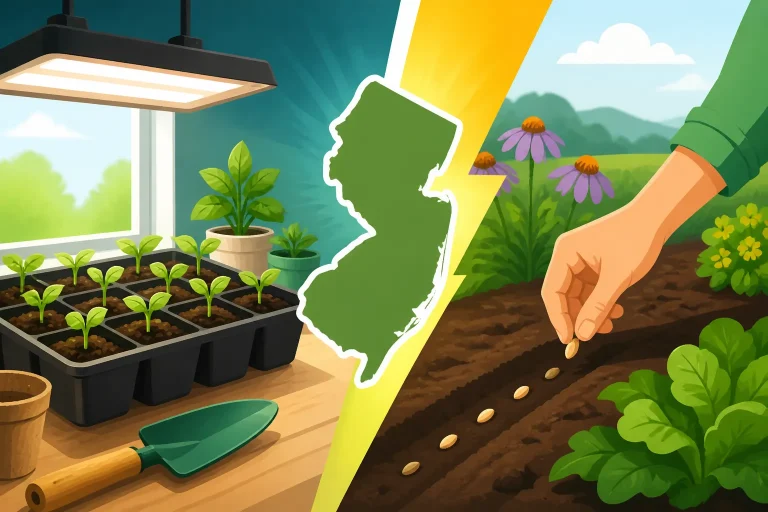
If you are deciding between sowing and transplanting, the timing considerations differ. Starting Seeds Indoors vs Direct-Sowing in New Jersey explains how to choose a method, while Safely Transplanting Warm-Season Vegetables After Frost Risk Ends focuses on setting out established plants.
Why New Jersey planting dates vary
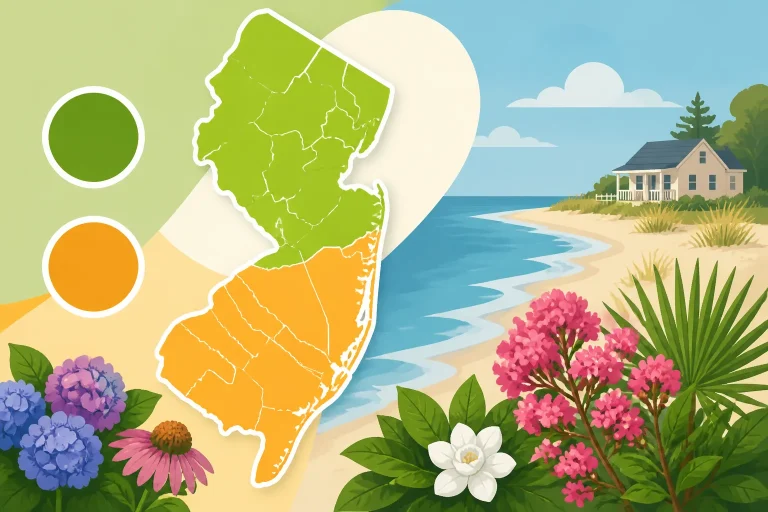
New Jersey is small enough to cross in a day, but spring does not progress evenly across the state. Coastal influence, elevation, distance from the ocean, urban development, and the shape of a yard can all affect when tender plants are ready to go outside.
A calendar date for one part of New Jersey may be too early somewhere else. An exposed garden in the north or northwest can remain vulnerable after a sheltered urban bed has begun to warm. A coastal site may have a milder air pattern than an inland site but still have cool soil, especially where sandy ground or onshore conditions delay warming. A south-facing wall can create a warm pocket, while a nearby low spot can collect cold air.
These differences are why a statewide “plant on this day” rule is unreliable. First and Last Frost Dates Across New Jersey Regions provides broader context for regional timing, and How to Look Up Local Freeze Probabilities Across New Jersey explains why a local probability is more useful than treating one date as certain.
Regional differences are a starting point, not a schedule
For planning, gardeners often compare northern and northwestern areas, central inland locations, and southern or coastal areas. These are useful broad categories, not guarantees for every town or property. A weather station may be several miles away and at a different elevation or exposure from a garden.
The coast can moderate some temperature swings, but it does not make every coastal garden frost-free. Wind exposure and cold ocean air can keep conditions cool. Inland valleys and low areas can also behave differently from nearby slopes. For site-level examples, see Jersey Shore Microclimates: Can You Plant Earlier Near the Coast? and Why Low Spots in a New Jersey Yard Frost First.
Urban yards can be warmer than open areas because pavement, buildings, and masonry store and release heat. That advantage is local, however; it does not mean every urban bed is ready for tender crops. Urban Heat Island Effects on Metro Planting Calendars explains why city conditions can shift planting decisions without eliminating cold risk.
Frost probabilities are not promises
A published last-frost date is an estimate based on observations or a probability. It does not predict the final frost in a particular yard every year. A date associated with a lower probability of frost indicates less risk than one associated with a higher probability, but it is not a guarantee of frost-free weather afterward.
Use regional data to establish a planning window, then check the forecast for your location as planting approaches. Look beyond the daytime high. For tender crops, the overnight low, the length of a cold spell, cloud cover, wind, and the condition of the soil can all matter.
A warm week in early spring is not proof that the season has turned. Weather can swing back, and a cold night can arrive after seedlings have begun growing quickly. Keep flexible planting plans rather than trying to meet one fixed weekend.
How to judge each tender crop
Different crops have different tolerances, so “warm-season vegetable” is a useful category but not a precise planting instruction. The crop’s stage of growth matters too. Seeds, newly emerged seedlings, and established transplants can respond differently to the same weather.
Tomatoes
Tomatoes need more than a frost-free afternoon. They establish best when the soil is warming and nights are no longer regularly cold. Cold conditions can slow root activity and leave a transplant sitting still while weeds and pests continue to grow around it. A plant that has survived a chilly night may still be stressed.
Wait for a settled stretch of mild nights and warm soil. Before planting, check the forecast for several days ahead and consider whether the bed is exposed to wind or open to cold air. If conditions are marginal, delaying is often less costly than trying to nurse a chilled transplant back to growth.
For additional timing and spacing details, see Transplanting Tomatoes in May and June for High Summer Yields and When and How to Transplant Backyard Tomatoes in New Jersey.
Peppers and eggplants
Peppers and eggplants are especially poor candidates for an early start in cold conditions. They may remain alive but grow slowly, and a small plant can take time to recover from a chilly setback. Since early planting does not necessarily lead to earlier harvest when plants are stalled, patience can be worthwhile.
Wait until the forecast and soil conditions show a reliable shift toward warmth. If peppers and eggplants are started indoors, harden them off gradually, then plant them when the outdoor conditions are suitable. A warm daytime high is not enough if nights remain cold.
Cucumbers, squash, and pumpkins
Cucumbers, summer and winter squash, and pumpkins are sensitive to frost and cold soil. Direct-sown seeds can struggle in ground that is cold and wet, while transplants may be set back by cold nights. Wait until the soil has warmed and the forecast supports continued growth.
These crops often grow quickly once conditions are favorable, so planting them too early is not always an advantage. For pumpkins, a shorter warm-weather window can make planning important, but the soil and forecast still need to be suitable. See When to Plant Pumpkin Seeds in New Jersey for Fall Harvest for a crop-specific discussion.
Beans and sweet corn
Beans and corn are commonly direct-sown, so their planting decision is about soil as well as air. Seed in cold, wet soil can germinate slowly or unevenly, and slow emergence can leave a row vulnerable to other problems. Wait for warming ground and a forecast that is unlikely to send temperatures sharply downward.
For beans, planting a little later into warmer soil can produce faster, more even emergence than sowing into cold ground. Sweet corn also benefits from conditions that support consistent germination. Avoid planting a large area all at once if you are uncertain about the soil; a smaller first sowing gives you a chance to see how quickly it comes up.
Basil and other tender herbs
Basil is sensitive to cold and should not be treated like a hardy spring herb. Move it outdoors only after frost risk has passed and nights are mild. The same general caution applies to other tender herbs and flowering annuals, though exact tolerance depends on the plant.
If a mixed herb container includes both tender and cool-season plants, manage it for the most cold-sensitive plant or keep the tender herb in a separate pot. A container can be moved to shelter more easily than a garden row, but it can also cool quickly overnight.
A practical readiness check before planting
A few minutes spent checking conditions can prevent a week or more of stalled growth. Use a thermometer, the forecast, and your observations of the planting site rather than relying on the month alone.
Check the overnight forecast
Look at the lows, not only the highs. A sunny day can feel like summer while the following night remains too cold for a tender transplant. Check more than one forecast source if the garden is in a location where cold pockets or coastal conditions commonly differ from a nearby town.
Pay attention to the pattern, not just one night. A single marginal night is different from several cold nights in a row, and an extended cool, cloudy spell can keep soil from warming. Forecasts also become less reliable farther out, so revisit them as the planting date gets closer.
If a forecast suggests frost or near-freezing conditions, postpone planting tender crops. If the forecast is frost-free but still cool, consider delaying crops that are sensitive to cold soil and nights. Covering a plant may reduce exposure during a brief event, but it does not turn cold ground into warm ground.
Check soil warmth
Air temperatures can rise faster than soil temperatures. A bed that feels warm on the surface in afternoon sun may still be cool below. A soil thermometer offers a more dependable check than touching the surface.
For many warm-season crops, a soil temperature around 60°F or higher is a useful general signal that conditions are becoming more favorable; heat-loving crops such as peppers, eggplants, cucumbers, and squash often establish better in warmer soil. This is a broad guide, not a universal threshold or a substitute for crop-specific advice. Measure at the depth where roots or seeds will be, and check more than one spot if the bed has sunny and shaded areas.
Soil type and moisture affect how quickly ground warms. A wet bed can remain cold longer than a well-drained bed, and raised beds may warm earlier but can also dry out faster. Do not confuse a warm afternoon surface with a consistently warm root zone.
Match the decision to the site
Think about the exact place where the crop will grow:
- Is the bed in a low area where cold air settles?
- Is it exposed to wind or open sky?
- Does a wall, fence, or nearby pavement provide shelter or stored warmth?
- Is the bed shaded for much of the day?
- Does water drain away, or does the ground stay wet after rain?
- Is the container small enough to cool quickly overnight?
A plant in a sheltered container near a building may have different conditions from the same plant in an open garden bed. That does not make the sheltered spot automatically safe; it means the decision should be based on the plant’s actual location.
Consider the transplant itself
A healthy, compact transplant with firm growth is a better starting point than a leggy, rootbound, or wilted one. Before planting, inspect leaves and stems for damage or signs of disease, and avoid moving a plant outside when it is already stressed by lack of water or a recent change in conditions.
Check whether the plant has been hardened off. A plant that has spent its life indoors may be unprepared for direct sun, wind, and cooler nights even when the weather is otherwise suitable. How to Choose Healthy Vegetable Transplants at Local Nurseries covers what to look for when buying plants, and Hardening Off Tender Transplants Before New Jersey Spring Planting describes the gradual transition.
How to harden off and plant tender seedlings
Hardening off is the gradual adjustment from protected growing conditions to outdoor life. It reduces the shock of direct sun, wind, and temperature changes. It does not make a tender plant frost-hardy, so a completed hardening-off period does not replace checking the forecast.
- Begin during mild weather. Choose a period without an expected frost or abrupt cold spell. Start when plants are well watered but not waterlogged.
- Give them limited outdoor exposure. Place plants in a sheltered, shaded spot for a short period, protected from strong wind and intense direct sun.
- Increase exposure gradually. Over several days, lengthen outdoor time and introduce more sun and ordinary air movement. Watch for wilting, leaf scorch, or other signs of stress.
- Bring them under cover when conditions turn harsh. Return plants indoors or to a protected location during cold nights, strong wind, or unusually intense sun while they are adjusting.
- Plant only when the crop and conditions are ready. Hardening prepares a plant for outdoor conditions; it does not compensate for cold soil or a forecast that threatens the crop.
- Water the root zone after planting. Set the transplant at the appropriate depth for that crop, firm the soil gently, and water enough to settle soil around the roots without leaving the bed waterlogged.
- Watch plants closely during establishment. Check soil moisture and leaves over the following days. If plants wilt during hot sun, first check whether the root zone is dry before adding more water.
Avoid transplanting in the hottest part of a bright day if a cooler, calm period is available. Overcast conditions can reduce initial stress, but a cloudy day does not make cold weather safe. Likewise, planting in a warm afternoon before a cold night is not a reliable way to gain time.
For tall or delicate seedlings, install any supports or protection during planting rather than disturbing roots later. Keep labels with the row or container so you can track which crops need extra warmth or protection.
If you planted too early or a cold snap is coming
An early planting is not automatically lost. The next step is to assess the forecast, the plant’s condition, and the amount of cold expected. Do not assume a plant is dead because leaves droop after a chilly night, but do not assume it is safe simply because it is still green.
Protect plants during a brief cold spell
For a short-lived cold event, a row cover or other suitable plant cover may help reduce exposure. Secure covers so they do not blow onto plants, and remove or vent them when conditions warm. A cover must not trap excessive heat in bright daytime weather, and it should not be treated as a substitute for a sound planting decision.
Small seedlings and plants in containers are often easier to cover or move. A container can be brought to a protected location, but avoid placing plants somewhere that becomes too warm or stays dark for an extended period. Check the specific cover’s instructions and use it as intended.
If frost is forecast and the plants are highly sensitive, moving containers indoors or delaying their return outside is usually safer than relying on a thin cover. In-ground plants cannot be moved, so protection may reduce risk but cannot guarantee survival.
Read the plant before taking action
After a cold night, wait until the plant has had time to show what tissue is damaged. Cold injury may appear as water-soaked, darkened, limp, or scorched leaves. Remove clearly dead tissue only after the extent of damage is apparent; premature pruning can remove living growth.
If stems remain firm and new growth appears, the plant may recover. If the main stem or growing point has been damaged, recovery is less certain. Avoid adding fertilizer in an attempt to force rapid growth. A stressed root system may not be able to use extra nutrients effectively, and fertilizer is not a remedy for cold injury.
For a small number of damaged plants, replacing them may be simpler than nursing them through a long recovery. Keep a few spare seedlings only if they can be maintained under suitable conditions; holding them for too long in small pots can also stress them.
When waiting is the better option
If plants are still in pots and the soil or forecast is marginal, keep them protected and wait. This is usually easier than trying to reverse the effects of cold stress after planting. If you have already planted, monitor conditions and protect the crop if a cold event is forecast, but recognize that protection has limits.
Cold frames and low tunnels can extend the season, but their performance depends on the structure, ventilation, and weather. A sunny day can heat a covered space quickly, while a night can still be cold inside. Using Cold Frames and Low Tunnels to Guard Early Spring Starts and When to Vent Plant Covers and Row Tunnels in Early Morning explain how to manage these structures.
Build a flexible New Jersey planting calendar
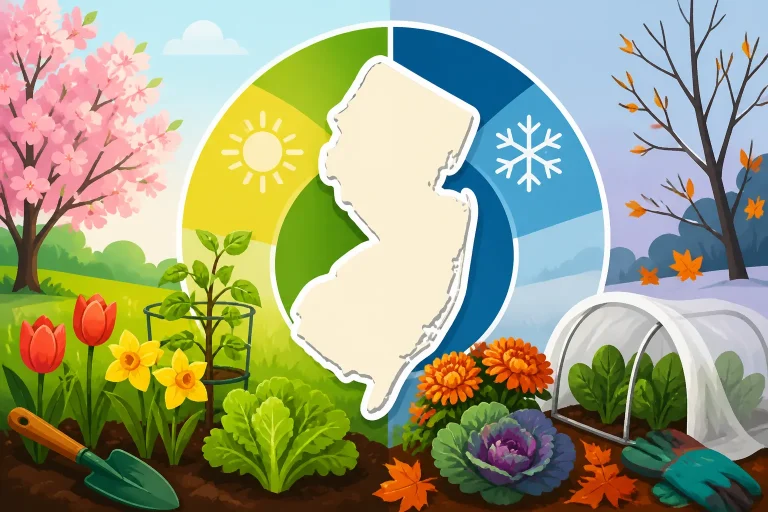
A useful planting calendar is a sequence of decisions, not a single date. Start with regional freeze information, then refine the plan using your site, soil warmth, and the forecast. Record what happened in your own garden so future timing is based on both regional guidance and local observation.
A simple planning sequence can keep the decision manageable:
- Plan backward from the crop. Check whether you intend to direct-sow or transplant, and note how much time the seedlings need before they are ready.
- Identify your site’s weak points. Mark beds that are low, exposed, shaded, or slow to drain, and treat them more cautiously than a warm, sheltered spot.
- Use regional frost information as a window. It helps set expectations, but does not promise that frost will end on a specific day.
- Watch soil and forecast conditions as planting approaches. Delay a crop if the ground is cold or nights remain unfavorable, even if the calendar says it is time.
- Plant in manageable stages. A small first sowing or a few transplants can test conditions before you commit the entire bed.
- Keep protection ready. Have covers, stakes, or a place to move containers available before a cold night is forecast.
- Make a brief garden record. Note planting date, soil condition, weather, and how quickly plants resumed growth. This helps identify which areas of your yard warm first.
For a broader seasonal view, Month-by-Month Planting Windows Across New Jersey Regions can help coordinate crops through the year. If you are planning around the difference between cool-season and warm-season crops, Planning Warm vs Cool Season Crops Around Late Spring Freezes is a useful companion.
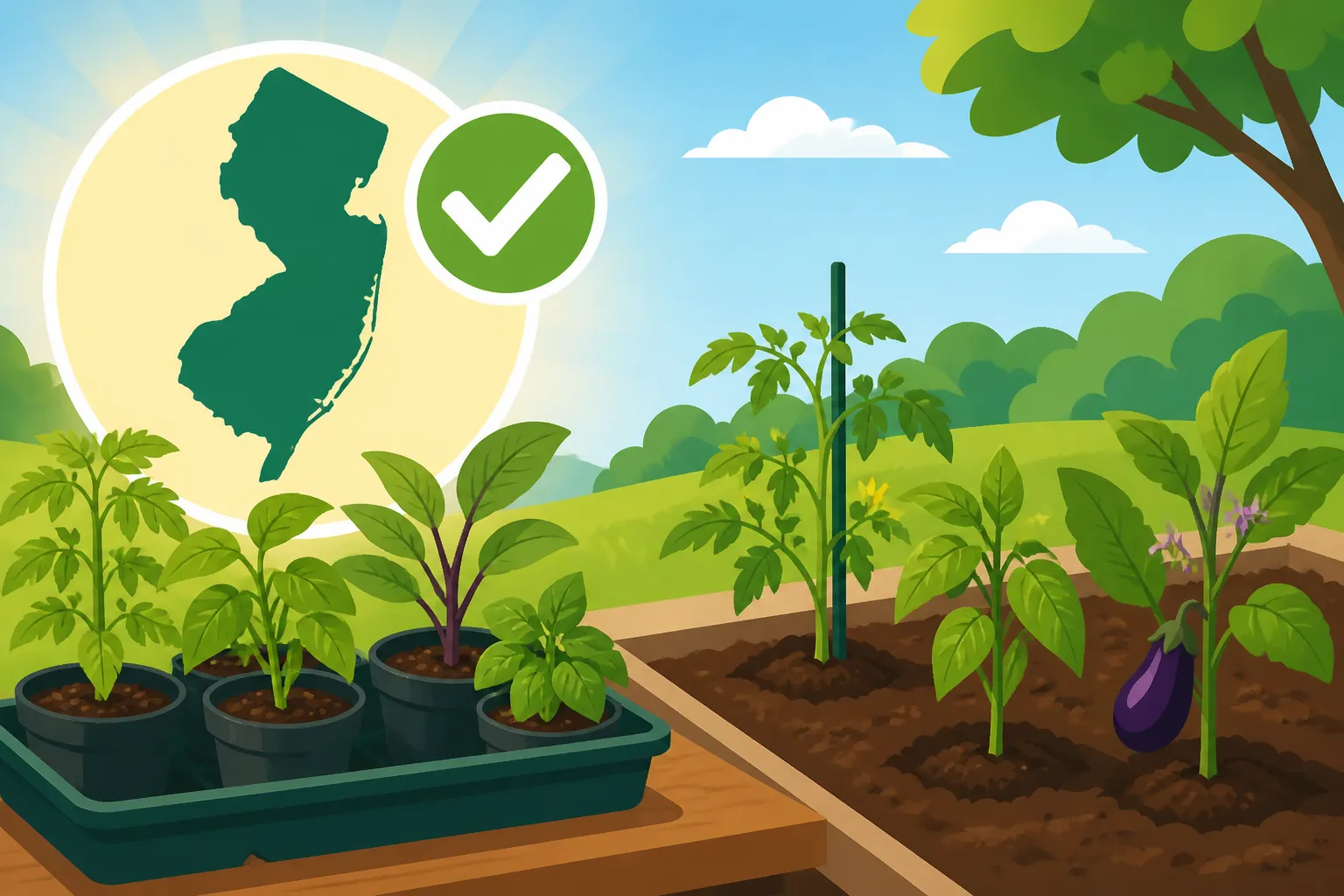
The most dependable rule is simple: do not let an appealing warm afternoon make the decision by itself. Tender crops are ready when frost risk is low for the site, soil is warm enough for the crop, nights are suitable, and seedlings have been hardened off. Those conditions may arrive at different times across New Jersey, and even within one yard.
Frequently Asked Questions
Can I plant tender crops outdoors as soon as the last frost date has passed?
Not automatically. A last-frost date is a probability, not a guarantee, and frost-free weather can still be too cool for warm-season crops. Check local forecasts, soil warmth, and the needs of the crop.
Is a warm daytime temperature enough to plant tomatoes or peppers?
No. Overnight lows and soil temperature matter too. A sunny day can be followed by a cold night, and cold ground can slow roots even when daytime air feels comfortable.
Which tender crops should I plant last?
Peppers, eggplants, basil, cucumbers, and squash generally benefit from reliably warm conditions. Tomatoes and beans also need protection from frost, but their exact readiness depends on soil, weather, and the plant’s stage.
Can row covers make it safe to plant before frost risk ends?
Covers can reduce exposure during some cold events, but they do not guarantee that tender plants will be safe. Use them according to their instructions, monitor temperatures, and avoid treating protection as a substitute for suitable soil and weather.
Disclaimer
This article is for general informational purposes only and does not constitute professional advice. Laws, prices and regulations vary by location and change over time. Consult a qualified professional for guidance on your specific situation. New Jersey Gardening Guide is not a government agency and is not affiliated with any university extension, state department of agriculture or other government agency.